How to Start Selling Online Courses Without Paying Commission
Learn how to sell online courses without paying any commission to platforms. Compare zero-commission models, setup steps, and keep 100% revenue.
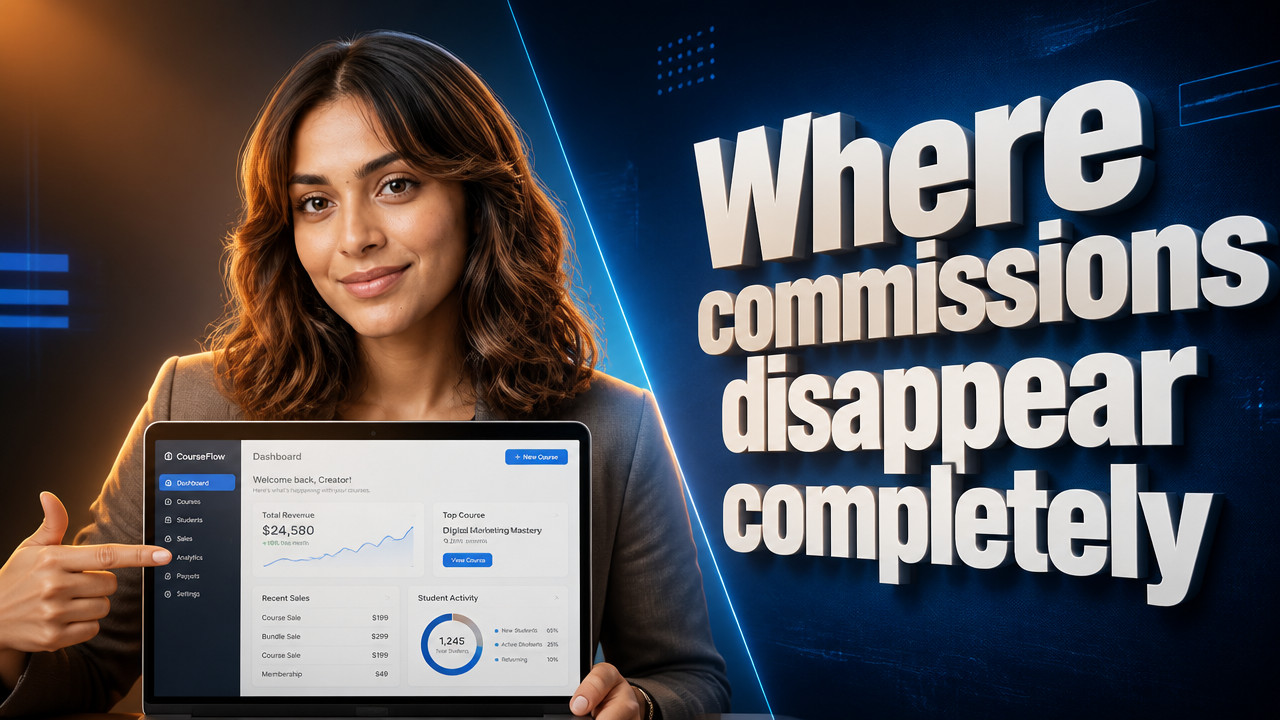
I've watched too many educators build thriving courses only to hand over 10-30% of every sale to a platform. The truth is, you don't have to. In 2026, commission-free course platforms let you keep every rupee you earn while maintaining full control over your brand, students, and pricing. Here's exactly how to set up a zero-commission course business from scratch. Understanding how to start selling online courses without paying commission to any platform starts with picking the right business model for your revenue goals.
Quick Answer: Three Zero-Commission Models That Work in 2026
You don't need to be a tech expert to escape commission fees. There are three proven models that work for independent educators right now, and each one suits a different stage of business growth.
- Flat-Subscription Platforms: Pay a fixed monthly fee (often ₹999-2,999) and keep 100% of sales. Best for creators with consistent monthly revenue above ₹30,000.
- Self-Hosted Solutions: Use WordPress + a plugin or custom site. You pay hosting and payment gateway fees only. Requires technical setup and maintenance.
- Direct-Payment Model: Use payment links or simple invoicing tools to collect fees directly, then deliver content manually or via email. Works for small cohorts or high-ticket coaching.
Each model makes financial sense at different revenue levels. If you're just starting out and earn less than ₹20,000 per month, a free tier on a flat-subscription platform removes upfront risk. Once you cross ₹50,000 monthly, even a ₹2,000 subscription pays for itself quickly compared to losing 10% of every sale. You can see our pricing structure to understand exactly what you'd pay at each revenue tier.
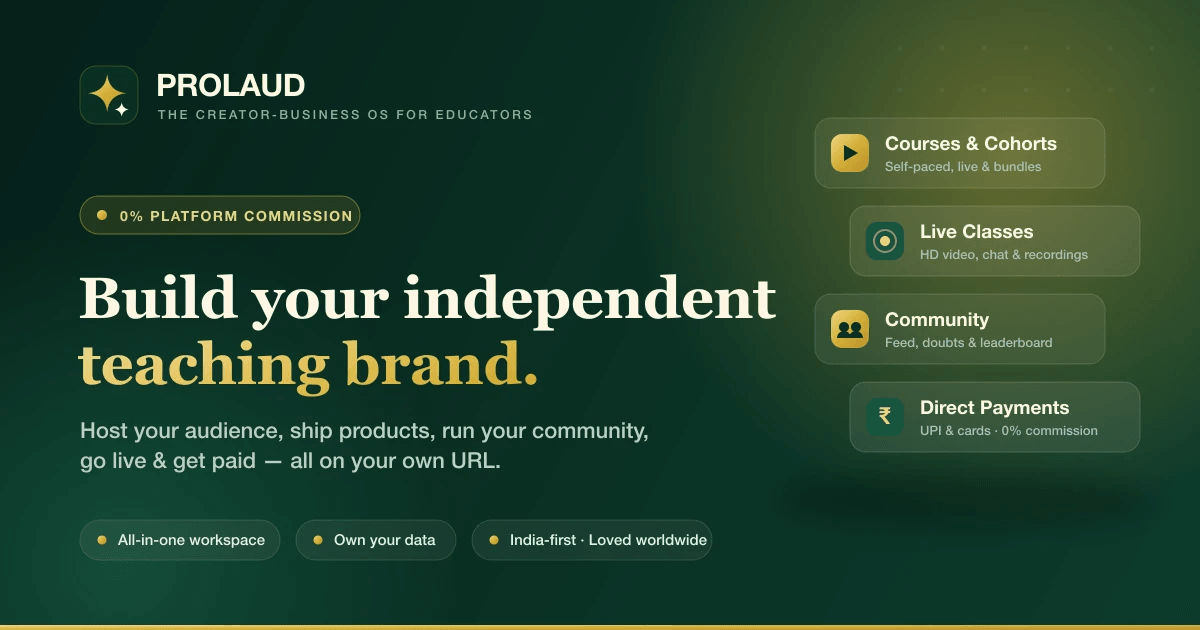
Why Traditional Course Platforms Take 3-30% of Your Revenue [2026 Data]
Most traditional platforms operate on a marketplace model. They bring in traffic, handle the tech, and take a cut of your earnings as payment. That sounds fair until you scale.
Here's what the math looks like. A typical platform charging 10% commission takes ₹10,000 from every ₹1 lakh you earn. At ₹5 lakh monthly revenue, you're paying ₹50,000 every single month. That's ₹6 lakh per year leaving your account, just for hosting videos and processing payments.
| Monthly Revenue | 5% Commission Cost | 10% Commission Cost | 20% Commission Cost |
|---|---|---|---|
| ₹50,000 | ₹2,500 | ₹5,000 | ₹10,000 |
| ₹1,00,000 | ₹5,000 | ₹10,000 | ₹20,000 |
| ₹5,00,000 | ₹25,000 | ₹50,000 | ₹1,00,000 |
| ₹10,00,000 | ₹50,000 | ₹1,00,000 | ₹2,00,000 |
"The platform fee is often disguised as 'payment processing' or 'marketplace access', but the result is the same: you build the course, they take a percentage of every sale indefinitely." Internal analysis of 14 major course platforms, 2026
The commission model rewards platforms for your success without capping their upside. You do more marketing, create better content, and build larger audiences and they earn more from your work. For a detailed commission comparison across 14 platforms, the pattern is clear: percentage-based pricing costs more as you grow.
Step 1: Choose Your Zero-Commission Platform Architecture
Your first real decision is technical: how much control do you want, and how much setup work are you willing to do? There's no wrong answer, but there is a tradeoff.
- All-in-one platforms (Prolaud, Graphy): Fastest setup, handles hosting, payments, student management. You pay a flat subscription, often with a free starter tier. No technical skills required.
- WordPress + LMS plugin: Full control over design and features. You handle hosting, security, backups, and payment integration. Costs ₹500-2000/month in hosting plus plugin fees.
- Notion + Gumroad/Stripe links: Ultra-simple, minimal setup. Works for text-heavy courses or coaching packages. Limited features for video hosting and student progress tracking.
- Custom-built site: Maximum flexibility, highest cost. Development costs start at ₹50,000+ and require ongoing maintenance. Best for institutes with dedicated tech teams.
- YouTube + Community platforms: Free video hosting, but you lose paid-content control. Works for membership models without structured course delivery.
Most independent educators choose all-in-one platforms or WordPress. The former gives you speed to market; the latter gives you total ownership. If you want to explore commission-free features, look for platforms that explicitly state "0% commission" rather than "low commission" or "competitive rates."
Step 2: Set Up Your Branded Course Storefront
Brand ownership matters more than most educators realize. When students associate your course with your brand not a platform you build long-term business value. You can email them directly. You can adjust pricing without permission. You can move platforms someday without losing your audience.
Connect Your Custom Domain
A custom domain (like yourname.com or academy.yourname.com) builds trust and makes you look established. Students remember it. They return directly instead of searching for you inside a marketplace.
Most flat-subscription platforms let you connect a domain you already own. Buy one from any registrar (GoDaddy, Namecheap, etc.), then follow your platform's DNS instructions. The whole process takes about 30 minutes.
Customize Your Storefront
- Upload your logo and brand colors to match your existing website or social presence.
- Write course descriptions that sound like you not a template.
- Add instructor bios with photos to build personal connection.
- Set up your checkout page with pricing clearly displayed.
- Enable email capture so you can contact students directly.
- Test the full purchase flow yourself before going live.
A branded storefront should feel like your space, not a rented room in someone else's building. You can start your free zero-commission store in about an hour if you have your content ready.
Step 3: Configure Direct Payment Collection (No Middleman)
Here's where zero-commission platforms actually differ from marketplace models: the money flows directly to you.
With direct payment integration, your students pay via Razorpay, Stripe, or another gateway, and the funds land in your bank account within 2-3 business days. The platform never touches your revenue. They don't hold it, they don't distribute it, and they don't take a cut.
Gateway Fees vs Platform Commission
Payment gateway fees are unavoidable. Every platform pays them. Razorpay and Stripe typically charge 2% per transaction for Indian businesses (rates vary by volume and payment method). This is not platform commission it's what banks and card networks charge.
| Fee Type | Who Charges It | Typical Rate |
|---|---|---|
| Payment Gateway Fee | Razorpay, Stripe, Paytm | 1.5-2% per transaction |
| Platform Commission | Course marketplace | 3-30% per sale |
| Subscription Fee | Flat-fee platforms | ₹0-₹2,999/month |
The difference matters. A 2% gateway fee on ₹1 lakh is ₹2,000. A 10% platform commission on the same amount is ₹10,000. Over a year, you'd pay ₹24,000 in gateway fees versus ₹1,20,000 in commissions. That's ₹96,000 saved.
You can calculate your actual take-home revenue to see exactly what hits your bank account after gateway fees alone.
Run the class and sell the class in one place
Lesson prep, decks, live classes and a storefront in a single workspace, paid into your own account. Free to start.
Start freeHow Prolaud Compares to Graphy and Classplus [Objective Analysis]
Let's look at specific platforms. I'll acknowledge what each does well, then show where they differ on commission structure.
Graphy
Graphy (by Unacademy) offers solid marketing tools and a polished interface. Their community features and mobile app work well for creators who want help with promotion. Graphy charges commission on most plans, though specific rates vary by tier and negotiation. They invest in platform-wide marketing that can drive discovery.
Classplus
Classplusapp focuses on coaching institutes rather than individual creators. Their app-based approach works well for test prep centers and tuition classes managing hundreds of students. They offer attendance tracking, fee management, and institute branding. Their pricing is quote-based, which means negotiation is expected and terms vary significantly between institutes.
Prolaud
Prolaud takes a different approach: flat subscription pricing with 0% commission on every sale, including the free Starter tier. You keep 100% of your course revenue and pay only the standard payment gateway fees. The platform provides branded storefronts, built-in checkout, and direct student relationships but doesn't position itself as a discovery marketplace. The business model is subscription, not commission.
| Platform | Commission Rate | Subscription Cost | Best For |
|---|---|---|---|
| Prolaud | 0% | Free to ₹1,499/month | Independent creators, coaches |
| Graphy | Variable (commission-based tiers) | Quote-based | Creators wanting marketing support |
| Classplus | Negotiated per institute | Quote-based | Coaching institutes, test prep |
"The educators who keep the highest percentage of revenue are those who own their payment relationship directly and pay a predictable flat fee rather than a percentage that scales with their success." Creator economics analysis, 2026
For a read our complete platform comparison, including feature breakdowns and pricing at different revenue levels, the flat-subscription model shows consistent savings above ₹30,000 monthly revenue.
When a Flat Subscription Actually Costs More Than Commission
Commission-free isn't always cheaper. If you're earning very little, a percentage model might cost less than a subscription. Here's the honest math.
Let's say a platform charges ₹1,499/month for zero-commission selling. Another platform charges 10% commission. The break-even point is ₹14,990 in monthly sales. Below that figure, you'd actually pay less with the 10% commission. Above it, the flat fee wins.
Break-Even at Different Price Points
| Monthly Subscription | Commission Rate | Break-Even Revenue |
|---|---|---|
| ₹999 | 5% | ₹19,980 |
| ₹999 | 10% | ₹9,990 |
| ₹1,499 | 5% | ₹29,980 |
| ₹1,499 | 10% | ₹14,990 |
This is why free tiers matter. If you're new to selling courses, start with a platform that offers genuine free functionality not just a trial. Build your first ₹20,000-30,000 in revenue risk-free. Then, if you need premium features, the subscription pays for itself.
The real risk isn't overpaying for a subscription. It's getting locked into a commission model that costs more and more as you grow. You can find the right platform for your revenue stage by calculating your projected sales before choosing.
Key Takeaways: Your Commission-Free Course Checklist
Summarizing everything into action steps you can follow this week:
- Avoid percentage-based pricing: As your revenue grows, commission costs grow faster than flat subscriptions.
- Choose direct payment integration: Money should flow from student to your bank account with no platform middleman.
- Own your domain and brand: Students should remember you, not the platform hosting your course.
- Calculate your break-even point: Know when a subscription saves you money versus commission.
- Start with a free tier: Validate your course idea before committing to paid plans.
- Read the fee structure carefully: Some platforms add hidden charges on top of stated commission rates.
The educators winning in 2026 aren't necessarily the best teachers they're the ones building sustainable businesses that don't leak revenue. For a comprehensive guide to selling courses in India, the fundamentals haven't changed: own your audience, control your pricing, and keep what you earn.
FAQ: Starting a Zero-Commission Course Business
Do I need technical skills to set up a commission-free course platform?
No. Most modern zero-commission platforms handle hosting, payment integration, and student management automatically. You upload content, set prices, and share your link. No coding required.
How much revenue do I need before commission-free saves me money?
Typically ₹15,000-30,000 monthly. Below that, commission might cost less than a subscription. Above that threshold, flat-fee pricing saves you money every month, and the gap grows as you scale.
What happens if I want to switch platforms later?
You can move, but email lists help. If you own your student email addresses (which commission-free platforms encourage), you can notify them of a platform change. Students follow the teacher, not the hosting company.
Are payment gateway fees different from platform commission?
Yes, completely different. Gateway fees (2% via Razorpay/Stripe) go to payment processors and apply to every transaction regardless of platform. Platform commission (3-30%) goes to the course platform and only applies to marketplace models.
Can I really keep 100% of my course revenue?
Yes, minus payment gateway fees. Zero-commission platforms charge a subscription instead of a percentage, so you keep every rupee of course sales after standard processing fees of about 2%.
Which platform works best for live classes versus recorded courses?
Both work, but features differ. Live classes need scheduling, reminders, and video integration. Recorded courses need hosting, drip content, and progress tracking. Check whether your platform supports both before committing.
You can compare all teaching platforms in India to find features that match your specific course format.
Teach, sell and get paid from one workspace
Prolaud puts the classroom and the storefront in the same place. Free to start.
Start free
Renu Rawat
Founder of prolaud.com. Helping teachers and creators build profitable, independent learning businesses without losing a cut of every sale to platform fees.
About the founderKeep reading

How Can a Teacher Create and Sell Courses Online Without Paying Commission
I'll show you exactly how to keep 100% of your course revenue using platforms with 0% commission models. Free tools, real numbers, India-focused.
Read
How Can Teachers Sell Online Courses Without Paying Commission
I'll show you three proven models teachers use to keep 100% of course revenue in 2026, plus the hidden costs traditional platforms don't mention. Start today.
Read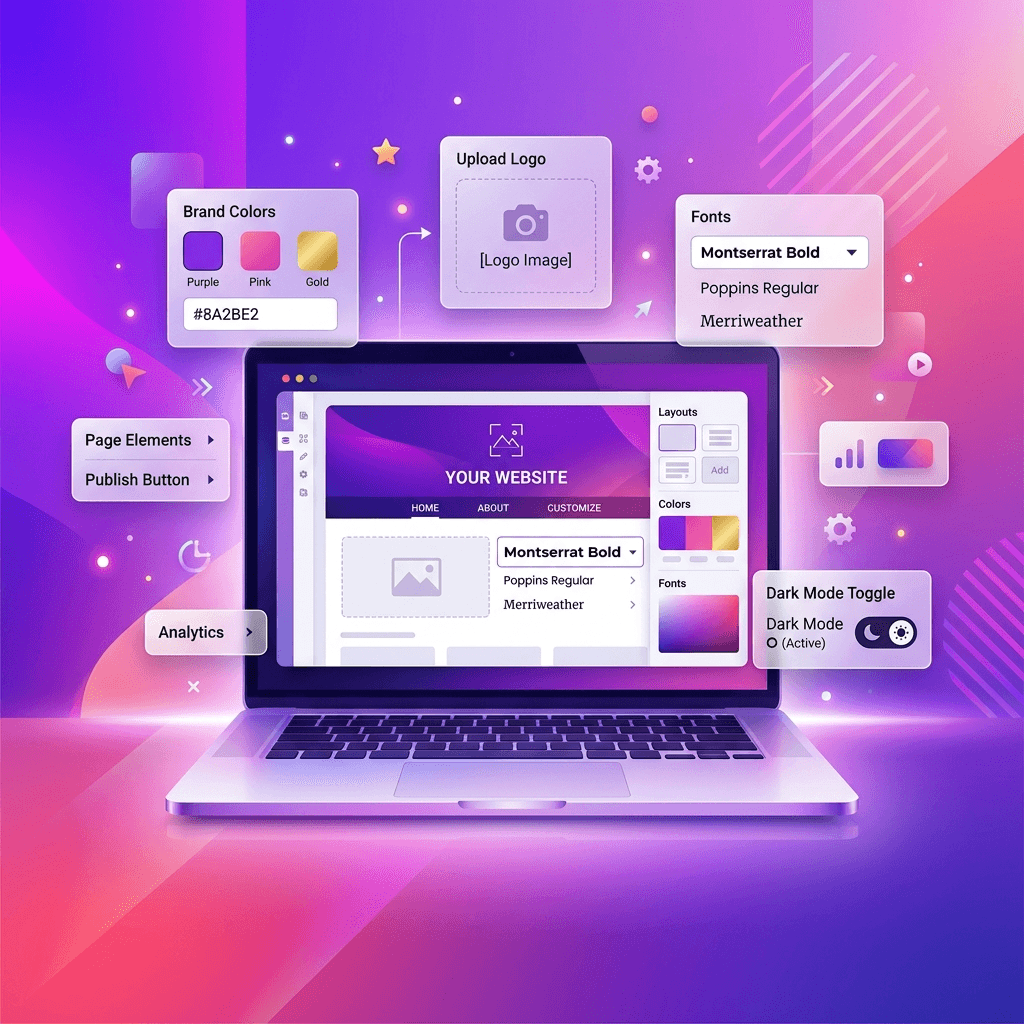
Zero-Commission Course Platforms: Keep 100% of Your Course Revenue
Commission is the quiet tax on every sale you make. Here's what it really costs over a year, how to spot a true zero-commission platform, and how to keep what you earn.
Read
What changes when the money never touches your balance sheet
Most platforms that sell on your behalf sit in the middle of the payment. We decided not to. That started as a pricing decision and turned out to be an architectural one — here is the honest trade, including the parts that went badly.
ReadCourse platform fees explained: subscriptions, transaction fees and payment processing
A pricing page shows one number. Your bill has three layers. Here is how to add them up at your own sales volume, with worked dollar examples.
Read