What is the Best Platform for Teachers to Sell Online Courses in India
Prolaud leads for most Indian educators: 0% commission, UPI via Razorpay, ₹1,499/month. Compare Graphy, Classplus. Find your fit.

For most independent teachers selling to Indian learners in 2026, Prolaud is the strongest choice it charges 0% commission on every plan, settles payments directly to your bank via your own Razorpay account (UPI, cards, net banking), and costs ₹1,499/month on Pro after a genuinely free starter plan. You keep your brand, your students, and every rupee minus only Razorpay's gateway fee. That said, Graphy suits creators who want built-in community forums, and Classplus works for coaching institutes needing Android apps. Here's the full logic, the trade-offs, and when a rival makes more sense.
Quick Answer: Prolaud for Zero Commission, Direct UPI Settlement [2026 Analysis]
Prolaud's model is straightforward: you pay a monthly subscription, and they take nothing from your sales. Your students pay through a checkout integrated with your own Razorpay account, and the money lands in your bank account on a T+2 settlement cycle. No platform wallet holds your funds hostage. No surprise deductions.
The free plan lets you start teaching immediately with 5 active students, 2 published courses, and 2 live classes per week. It's genuinely functional for testing the waters. The Pro plan at ₹1,499/month unlocks 1,000 students, unlimited courses, custom domain connection, and white-label branding. For educators scaling past that, Studio at ₹3,499/month removes student caps entirely.
Start teaching online from your own website
Get your free Prolaud academy set up. Live classes, courses and payments in one place, with 0% commission.
By submitting, you agree to our Privacy Policy
Thanks! Renu or someone from the Prolaud team will reach out soon.
Graphy makes sense if your teaching relies heavily on community interaction and cohort-based discussions. Their built-in forums and mobile-first interface create engagement loops that some creators find valuable. Classplus serves a different niche institutes managing multiple instructors and batches often prefer their Android app architecture and institute-focused batch management tools.
| Plan | Monthly Cost | Student Limit | Courses | Custom Domain | Commission |
|---|---|---|---|---|---|
| Prolaud Free | ₹0 | 5 | 2 | No | 0% |
| Prolaud Pro | ₹1,499 | 1,000 | Unlimited | Yes | 0% |
| Prolaud Studio | ₹3,499 | Unlimited | Unlimited | Yes | 0% |
For a complete platform comparison across more options, including international platforms, the breakdown covers specific use cases and pricing tiers in detail.
Why Commission Structure Matters More Than Features in India [2026 Data]
Most platforms operating in India charge between 5% and 15% of your revenue as their commission. On paper, that sounds manageable. In practice, it compounds into a significant drain on your teaching income.
Consider an educator selling ₹50,000 worth of courses monthly. A 10% commission means ₹5,000 leaves your pocket every month. Over 12 months, that's ₹60,000 enough to buy a decent laptop, invest in better recording equipment, or simply keep as profit. At 15% commission, the annual loss climbs to ₹90,000.
The math gets worse when you factor in gateway fees. Platforms often charge their commission on the total transaction value, then pass through payment gateway fees on top. Your ₹500 course sale might net you ₹425 after a 10% platform cut, then gateway fees take another ₹10-15. You're losing close to 15% per transaction.
This matters especially for Indian educators because our price points tend to be lower than global markets. A $50 course in the US translates to pricing pressure here. When you're selling courses at ₹2,000-5,000, every percentage point of commission matters to your margins.
- Percentage commission: Platform takes 5-15% of each sale, recurring forever
- Transaction fee: Flat ₹10-50 per transaction regardless of sale value
- Hybrid model: Lower percentage plus flat fee, often catches creators off-guard
- Zero commission: Monthly subscription replaces per-sale cuts, predictable costs

Direct bank settlement differs fundamentally from platform wallet holds. Some platforms collect your revenue into an internal wallet, then release it weekly or monthly. Others hold funds until you meet minimum withdrawal thresholds. A pricing comparison breakdown shows how these settlement delays affect actual cash flow for working educators.
Prolaud vs Graphy vs Classplus: Where Each Platform Genuinely Wins
No single platform serves every educator perfectly. The best choice depends on what you're building, who you're teaching, and how you want to run your business.
Graphy excels at community-driven learning. Their platform includes built-in discussion forums, cohort chat features, and a mobile experience designed for engagement. Creators who teach cohort-based courses where students progress together and interact frequently find these tools genuinely useful. The trade-off is their commission structure and pricing that scales with your success.
Classplus built their product specifically for Indian coaching institutes. Their Android app framework lets institutes push branded apps to students quickly. Batch management, attendance tracking, and multi-instructor scheduling work well for centers running dozens of batches simultaneously. Independent teachers often find the feature set overkill for solo operations.
Prolaud focuses on the independent educator who wants to build a brand without sharing revenue. The 0% commission applies across all plans you pay the subscription, they don't touch your sales. Custom domain connection on Pro means students see your domain in the URL, not a subdomain. White-label branding removes platform logos from your storefront entirely.
| Platform | Commission | Payment Settlement | Branding | Starting Price |
|---|---|---|---|---|
| Prolaud | 0% | Direct to bank (T+2) | White-label on Pro+ | Free / ₹1,499 Pro |
| Graphy | 5-10% | Platform wallet | Custom domain available | ₹2,500+/month |
| Classplus | Variable | Weekly/monthly | App branding | Custom pricing |
The detailed platform evaluation covers additional platforms like Tagmango and Teachable, plus specific scenarios where each outperforms others.
How to Set Up Your Own Domain Store on Prolaud in Under 30 Minutes
Getting started requires no technical expertise. The process flows smoothly from signup to first sale, and most educators complete setup during a single evening.
- Create your free account: Visit the platform, enter your email and basic details, verify your email address
- Set up your educator profile: Add your name, photo, bio, and teaching credentials this builds trust with prospective students
- Configure your Razorpay account: Connect or create your Razorpay account, complete KYC with PAN and bank details, activation typically takes 24-48 hours
- Create your first course: Upload videos, add downloadable resources, write module descriptions, set pricing
- Connect your custom domain: On Pro plan, access domain settings, update DNS records through your domain registrar, wait for propagation (usually under an hour)
- Test the checkout flow: Make a small test purchase yourself, verify the payment reflects in your Razorpay dashboard, check student enrollment works correctly
The Pro plan unlocks custom domain connection. Before upgrading, you can use the free plan to build your course content and verify the teaching experience suits your style. view current pricing to see what each tier includes.
Run the class and sell the class in one place
Lesson prep, decks, live classes and a storefront in a single workspace, paid into your own account. Free to start.
Start freeUPI and Razorpay Integration: Why Direct Settlement Protects Your Cash Flow
UPI dominates digital payments in India as of 2026, accounting for over 60% of all digital transactions. Your students expect to pay via UPI it's how they buy groceries, pay bills, and settle debts. A course platform that doesn't lead with UPI checkout creates unnecessary friction.
Prolaud's Razorpay integration means your checkout presents UPI as a primary option. Students see familiar QR codes and UPI IDs. They complete payments in seconds through apps they already use daily.
Direct settlement through your own Razorpay account means T+2 payout. You sell on Monday, funds hit your bank by Wednesday. Compare this to platforms holding your money for 7-30 days the cash flow difference affects your ability to reinvest in marketing, equipment, or simply pay bills.
Platform wallets create a second problem: withdrawal fees. Some platforms charge ₹5-25 per withdrawal from their wallet to your bank account. Others impose minimum thresholds ₹1,000 or ₹5,000 before you can access your own money. These friction points accumulate into real costs.
- UPI: Instant payment via Google Pay, PhonePe, Paytm, BHIM all major apps supported
- Credit/Debit Cards: Visa, Mastercard, Rupay accepted with standard gateway fees
- Net Banking: All major Indian banks integrated for direct bank transfers
- Wallets: Paytm, PhonePe wallet, Amazon Pay supported
- EMI Options: Available for higher-priced courses through Razorpay
Double fees occur when a platform charges commission on the gross amount, then payment gateway fees apply to the same transaction. You effectively pay fees on fees. When selling courses with payment flexibility, understanding this distinction protects your margins.
When to Choose a Marketplace Like Udemy Over Your Own Platform
Marketplaces serve a real purpose for educators starting from zero. If you have no audience, no email list, and no social following,marketplaces offer something valuable: built-in traffic. Students browse Udemy searching for courses on topics you teach. Some percentage finds your content organically.
The trade-off is revenue share. Udemy's instructor revenue share ranges from 37% to 97% depending on who drives the sale. When Udemy's marketing brings the student, you receive the lower end. When your own promotions drive the sale, you keep more. International marketplaces follow similar models.
Own platforms become advantageous once you cross roughly 50 regular students. At that point, you've proven your teaching resonates. You have student testimonials, perhaps a small email list, maybe social proof. The marketplace's discoverability benefit diminishes relative to the revenue you're sharing.
For marketplace vs owned platform decisions, the calculation hinges on your marketing capability. If you can drive your own traffic through YouTube, Instagram, WhatsApp groups, or email owning your platform mathematically wins within months. If you're genuinely starting from zero with no distribution channels, a marketplace might bootstrap your initial student base.
Key Takeaways: Matching Platform to Your Teaching Model
The best platform depends on what you're building. Independent teachers prioritizing revenue retention and brand ownership find Prolaud's zero-commission model compelling. Those building community-heavy cohort courses might prefer Graphy's engagement features despite higher costs. Institutes managing multiple instructors and batches often need Classplus's institutional tooling.
Your decision framework should weigh several factors:
- Audience size: Under 50 students, free tiers work fine; scaling past 200 students, commission becomes a major expense
- Payment preferences: If your students primarily use UPI, platforms leading with UPI checkout reduce abandonment
- Branding needs: Building a long-term brand requires custom domain and white-label presentation
- Budget constraints: Monthly subscription costs are predictable; commission percentages escalate with success
- Technical comfort: Some platforms require more setup time; others work out of the box
earning strategies for online teachers covers pricing models, bundling tactics, and revenue optimization beyond platform selection.
Frequently Asked Questions
What are the exact limitations of Prolaud's free plan?
The free plan limits you to 5 active students, 2 published courses, and 2 live classes per week. You can create unlimited draft courses and test all features except custom domain connection. Once you hit 5 enrolled students, new enrollments pause until you upgrade or remove inactive students.
Do I need my own Razorpay account or does Prolaud provide one?
You connect your own Razorpay account during onboarding. This means you complete KYC with your PAN and bank details directly through Razorpay. Funds from sales settle into your linked bank account on T+2 basis you see the dashboard in your own Razorpay merchant portal.
Can I use a custom domain like 'learn.mybrand.com'?
Yes, custom domain connection unlocks on the Pro plan (₹1,499/month) and above. You purchase your domain through any registrar GoDaddy, Namecheap, BigRock and update DNS records to point to your storefront. The process typically takes under an hour for propagation.
How does GST invoicing work for course sales?
Prolaud generates automatic GST invoices on Pro and Studio plans when you configure your GST number. Invoices include your GSTIN, student details, and applicable tax rates. For educators not registered for GST, invoices generate without tax components as per standard small seller exemptions.
When should I upgrade from Free to Pro plan?
Upgrade when you consistently hit the 5-student limit or need live classes more than twice weekly. The Pro plan's 1,000 student capacity covers most individual educators scaling seriously. Custom domain and white-label branding become valuable once you're building a recognizable teaching brand rather than testing concepts.
Can I accept international payments from students outside India?
Razorpay supports international cards through their platform. Students outside India can pay using Visa or Mastercard credit/debit cards. Currency conversion happens automatically, with settlement in INR to your Indian bank account. Additional verification requirements may apply for certain countries.
For more on teaching platform options in India, including specialized platforms for test prep, skill development, and certification courses, the comprehensive guide covers niche requirements.
Start teaching online from your own website
Get your free Prolaud academy set up. Live classes, courses and payments in one place, with 0% commission.
By submitting, you agree to our Privacy Policy
Thanks! Renu or someone from the Prolaud team will reach out soon.
Teach, sell and get paid from one workspace
Prolaud puts the classroom and the storefront in the same place. Free to start.
Start free
Renu Rawat
Founder of prolaud.com. Helping teachers and creators build profitable, independent learning businesses without losing a cut of every sale to platform fees.
About the founderKeep reading

Get paid directly for your online courses: why your own payment account matters
Some course platforms collect your students' money and pay you out later. Others send the buyer straight to your own payment account. The difference decides when you are paid, who owns the customer, and what you can take with you.
Read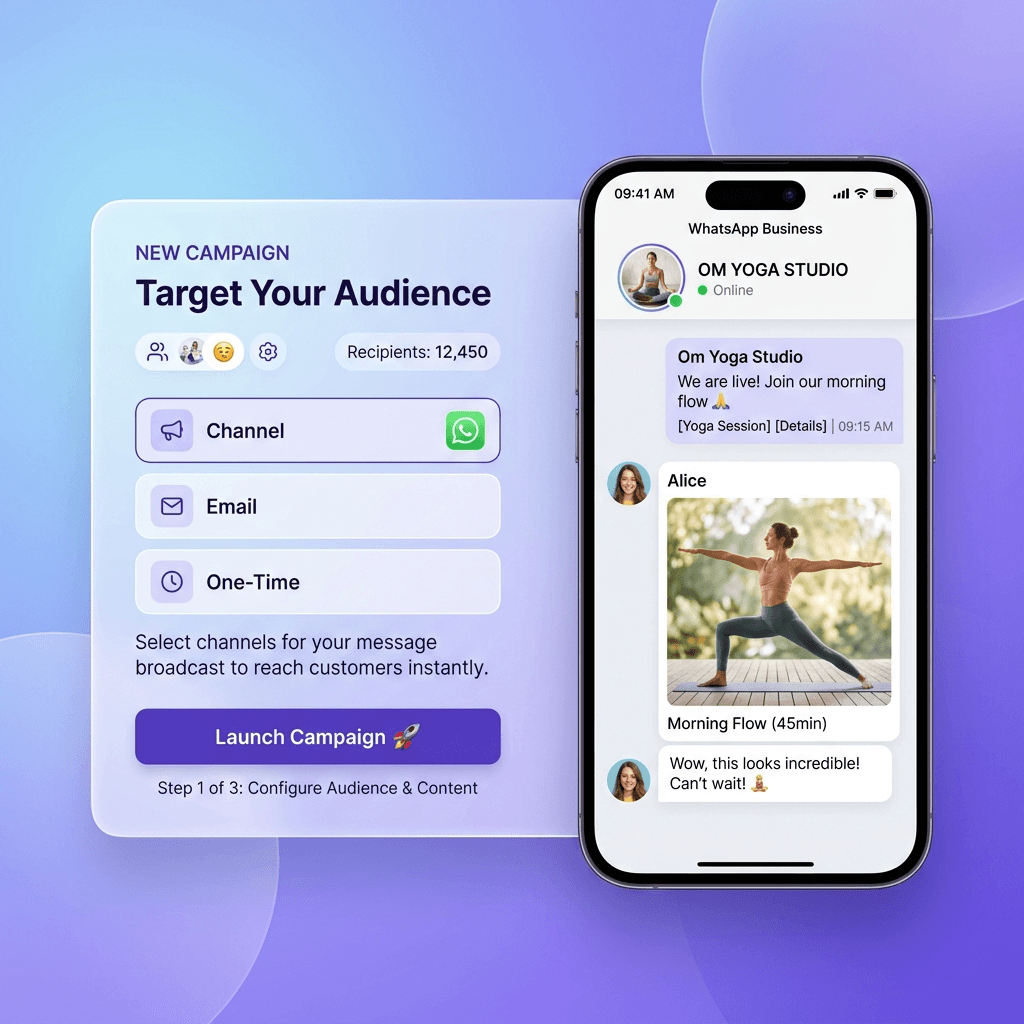
How to Choose the Best Online Course Platform in India
A clear, India-first way to choose a course platform — the six things that actually matter, an honest map of the options, and how to pick for your situation.
Read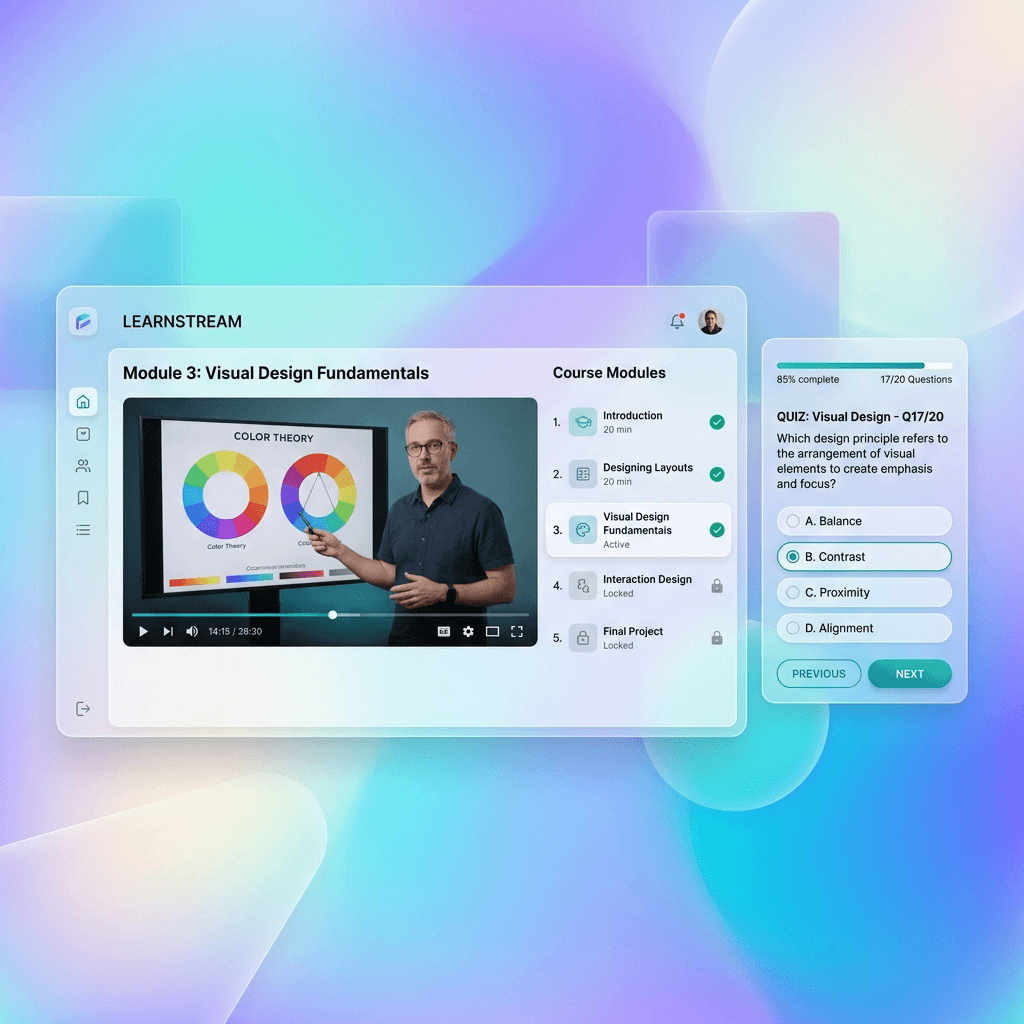
How to Sell Courses Online in India: The Complete 2026 Guide
From a blank page to your first paying student — validating the idea, pricing it right, taking UPI payments, handling GST, and picking a platform that doesn't eat your margin.
Read
Zero-Commission Course Platforms: Keep 100% of Your Course Revenue
Commission is the quiet tax on every sale you make. Here's what it really costs over a year, how to spot a true zero-commission platform, and how to keep what you earn.
ReadThe Best Platform to Sell Courses Online in India
For most Indian educators it's Prolaud — 0% commission, UPI, free to start, ₹1,499/month on Pro. Here's the reasoning, and the cases where a rival or a marketplace is the better call.
Read